EuroSMC ROOTS and Automated Relay-Test Protocols: What to Verify
A practical buyer and engineering guide to reviewing automated relay-test protocols, settings imports, fault calculations, reports, and evidence.
On this page
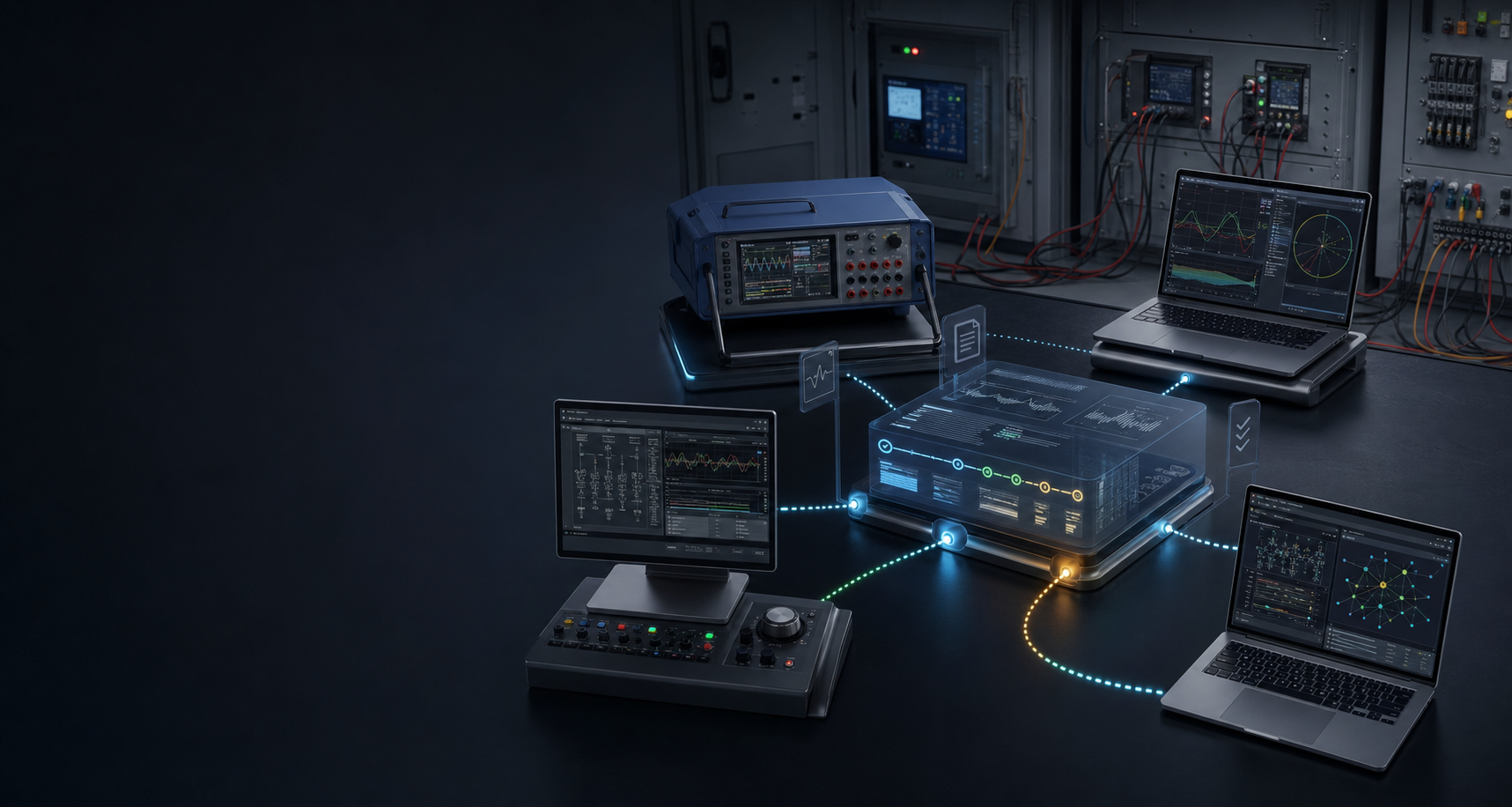
The current EuroSMC/SMCint software catalog describes ROOTS and related tools around relay objects, fault calculation, automated tests, reports, databases, settings import, and COMTRADE. A technical buyer should evaluate those claims against the exact Mentor, Quasar, or other equipment and the relay models in the fleet.
Protocol quality matters more than automation wording
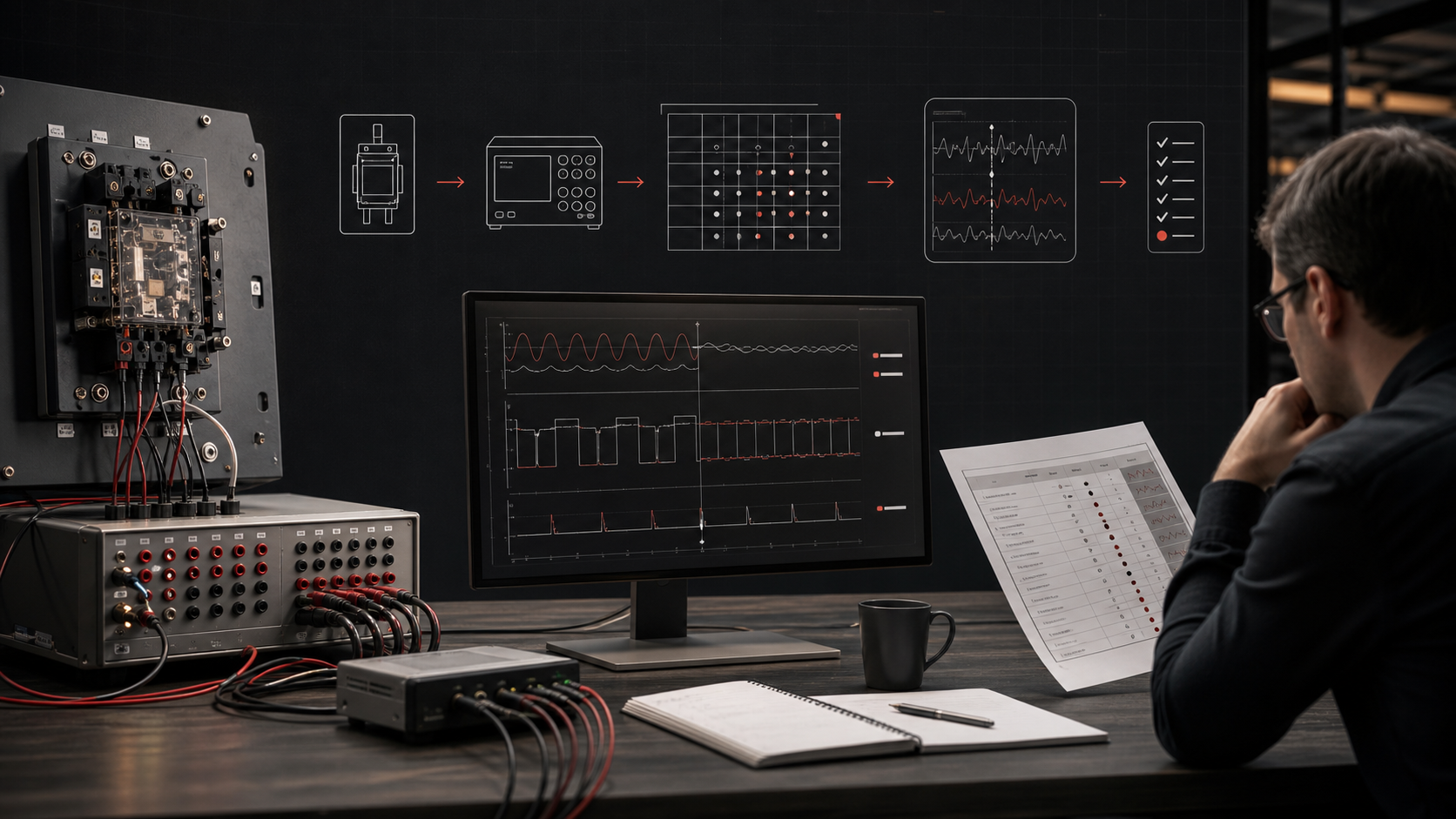
An automated test is useful when the expected values, tolerances, state transitions, binary mapping, and raw evidence are explicit. A “one-click” workflow that hides those assumptions is harder to review. Ask to see the generated protocol, the settings source, the exception path, and the re-test record.
Agentic review without false interoperability
An AI assistant can compare a ROOTS protocol with an approved procedure, identify missing functions, retrieve the relevant relay manual, and draft an evidence index. It should not claim that a EuroSMC protocol proves a physical system response outside the cases actually executed. It should also not infer that an import worked simply because the file opened.
ProtectionAI positioning
ProtectionAI can help with model preparation, simulator-first rehearsal, and evidence review alongside a ROOTS workflow. The customer should validate any physical path, device driver, and protocol mapping independently.
Ask for the protocol behind the button
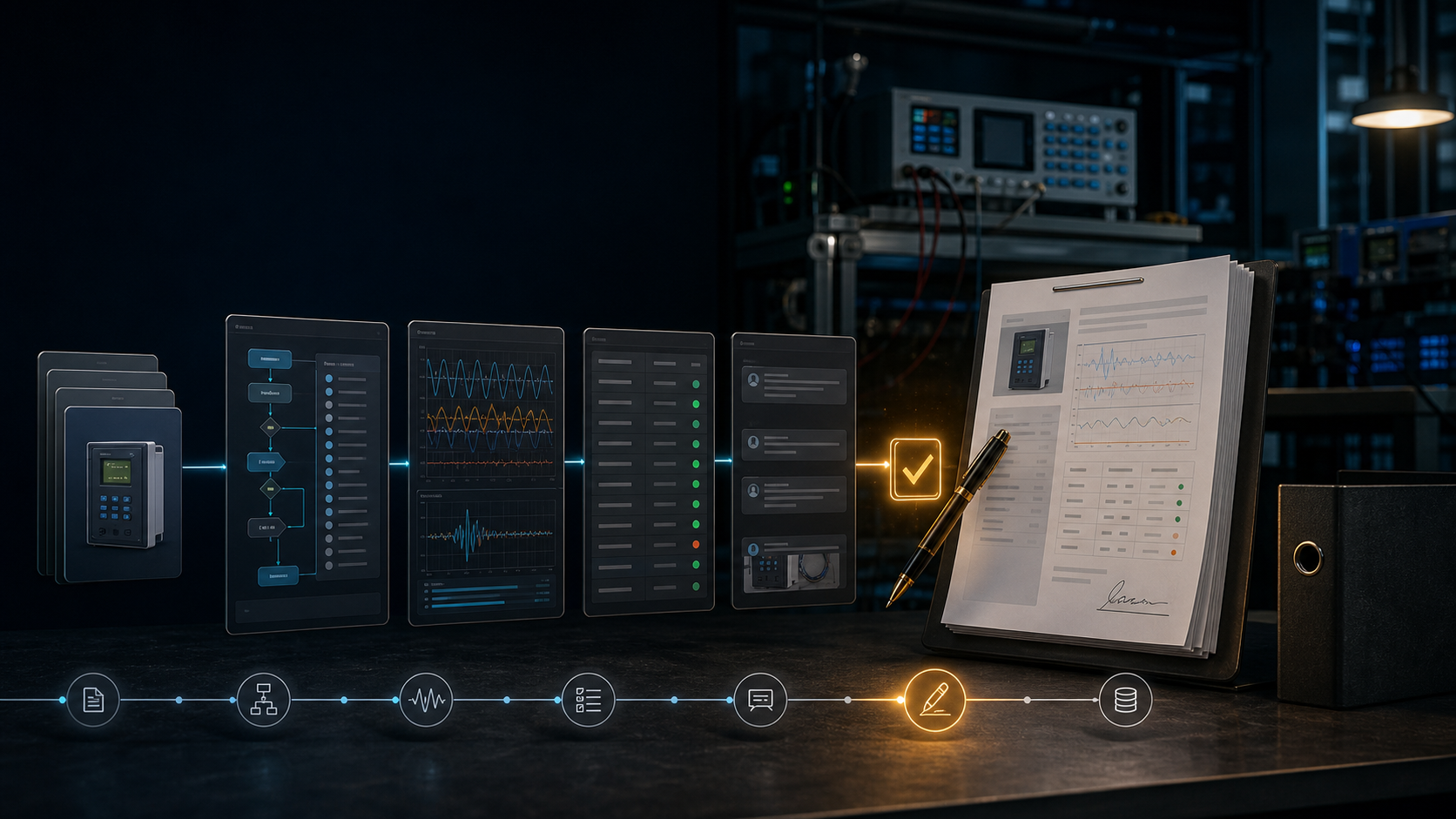
During procurement, request a complete sample protocol rather than a screenshot of the test editor. The review should show the relay model, imported settings, calculated test values, tolerances, binary assignments, state transitions, actual measurements, exceptions, and the raw file reference. Ask how an edited setting is versioned, how a failed case is re-run, and whether the report shows as-found and as-left states. A fast test is only useful when a second engineer can reproduce and challenge it.
ROOTS and similar software may support multiple instruments and relay families, but interoperability is not a marketing adjective that can be assumed across every combination. Verify the exact test set, firmware, driver, relay model, settings format, and protocol mapping in the customer’s fleet. A file opening successfully does not prove that every setting, curve constant, binary input, or communication function was imported correctly.
Evidence review around an automated protocol
An agent can check a protocol against an approved procedure, find a missing distance zone or differential slope case, highlight an unexpected tolerance, and link a result to the manual section that governs it. It can also compare naming and asset identifiers across jobs. Every finding should carry a source pointer and a confidence or evidence state. “Not found” should mean the search scope was recorded; it should not be presented as proof that a case was never executed.
ProtectionAI’s role can be framed as preparation and review around the established physical execution path. That makes the product useful without claiming ownership of EuroSMC’s drivers or the test equipment. The acceptance plan should name which parts are simulator-first, which parts are physical, and who signs the final record.
References
- EuroSMC/SMCint. (n.d.). Software de pruebas [Product catalog]. https://smcint.com/es/categoria-producto/software-de-pruebas/
- EuroSMC/SMCint. (n.d.). ROOTS: Relay test software [Product page]. https://smcint.com/es/producto/equipos-inyeccion-secundario/software-equipos-inyeccion-secundario/roots-software-pruebas-de-relevador/
- IEEE. (2017). Commissioning testing of protection systems (Working Group I-25 report). https://www.pes-psrc.org/kb/report/052.pdf
- CIGRE Working Group B5.45. (2015). Acceptance, commissioning and field testing techniques for protection and automation systems (Technical Brochure No. 637). https://www.e-cigre.org/publications/detail/637-acceptance-commissioning-and-field-testing-techniques-for-protection-and-automation-systems.html
References
Questions engineers ask
What should be verified in an automated relay-test protocol?
Verify the settings source, expected values, tolerances, state transitions, binary mapping, test-set channels, raw files, and the exception and re-test path.
Does ROOTS provide universal interoperability?
Do not infer that from a product label. Check the exact EuroSMC equipment, relay model, firmware, protocol, option, and current release covered by the procedure.
Where can ProtectionAI fit?
It can compare a proposed protocol with approved evidence, identify missing assumptions, and draft a review queue without claiming to drive or qualify physical equipment.